If you’re new to Pressure Washing and want to learn how to clean your home’s exterior safely and effectively — this Beginner’s Guide is for you. In Miami FL, outdoor spaces face unique challenges like tropical humidity, algae growth, and salt exposure. With the right tools and techniques, you can restore the beauty of your patios, decks, driveways, and siding without damaging your surfaces.
This comprehensive guide covers everything beginners need to know — from setting up your pressure washer to cleaning different surfaces like composite decking, painted railings, outdoor fabrics, and stone patios.
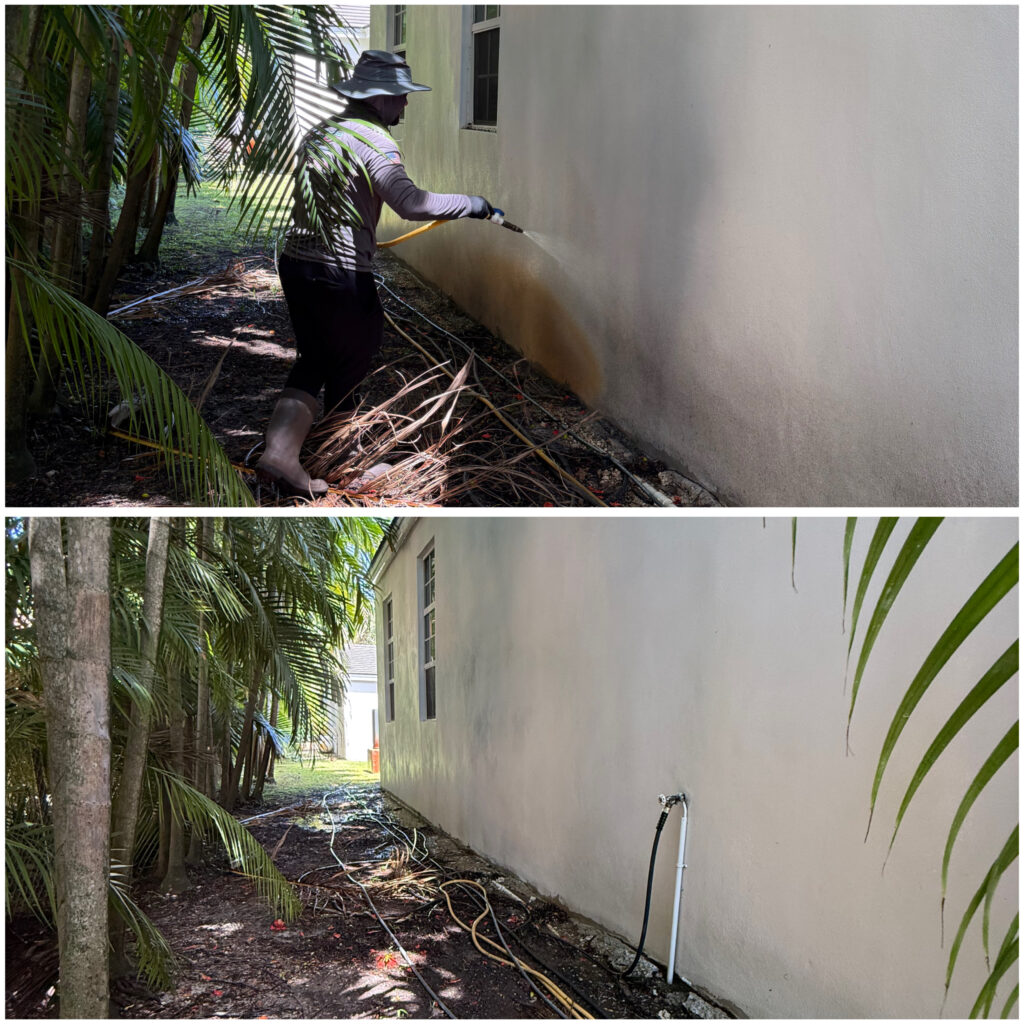
Why Pressure Washing Matters
Pressure washing is one of the most effective ways to maintain your property’s curb appeal and prevent long-term wear. Over time, dirt, algae, and mildew build up on outdoor surfaces, making them slippery, discolored, and unsightly.
In Miami FL, constant exposure to heat, rain, and ocean air accelerates this buildup — which is why regular cleaning outdoor spaces is essential for every homeowner.
Key Benefits of Pressure Washing:
- Enhances property appearance: Instantly removes stains, grime, and buildup.
- Prevents damage: Protects wood, stone, and composite materials from rot and decay.
- Improves safety: Eliminates slippery surfaces caused by mold and algae.
- Extends the life of your outdoor areas by reducing maintenance costs long term.
Choosing the Right Equipment
Electric Pressure Washer vs. Gas-Powered Models
For most beginners, an electric pressure washer is the best choice. It’s quieter, lightweight, and easier to operate, making it ideal for small to medium home cleaning projects.
Electric Pressure Washer Advantages:
- User-friendly and easy to assemble
- Safe for composite decking, railings, and outdoor fabrics
- Environmentally efficient with minimal fuel emissions
If you’re tackling larger commercial areas or heavily soiled driveways, a gas-powered washer offers higher PSI (pounds per square inch) — but it’s louder and requires more maintenance.
👉Get Your Free No Obligation Quote Now!
Setting Up Your Pressure Washer
Getting started with your electric pressure washer is simple if you follow these steps carefully.
Step-by-Step Setup Process:
- Assemble the Wand: Connect the spray wand and trigger handle until tightly sealed.
- Attach the High-Pressure Hose: One end connects to the trigger handle, the other to the washer outlet.
- Connect the Garden Hose: Attach your garden hose to the water inlet on the washer. Ensure it’s fully tightened to prevent leaks.
- Choose Your Nozzle: Most models include multiple nozzle options for different cleaning intensities:
- 0° (Red): Very strong, for tough stains on concrete (use with caution).
- 25° (Green): General cleaning — safe for decks, patios, and driveways.
- 40° (White): Gentle cleaning — great for windows and furniture.
- Turn on the Water Supply: Fully open your garden hose valve.
- Plug in the Washer: Make sure your extension cords are dry and rated for outdoor use.
- Release Pressure Before Starting: Squeeze the trigger to release trapped air, then switch the washer on.
Once everything is connected, you’re ready to start cleaning outdoor spaces safely and efficiently.
Cleaning Outdoor Spaces: Step-by-Step
1. Composite Decking
Composite decking (like Trex or other synthetic materials) is durable but requires gentle cleaning.
- Use a surface cleaning attachment for even coverage.
- Select a 25° nozzle and maintain a 10–12 inch distance from the deck.
- Wash in consistent, overlapping motions.
- Avoid direct, prolonged spraying on joints or seams.
Tip: Use a mild detergent to lift stubborn stains — then rinse thoroughly.
2. Painted Railings
Pressure washing painted railings requires precision. Too much pressure can strip paint or damage wood.
- Use a 40° nozzle option for wider, gentler coverage.
- Keep at least 12 inches away from the railing.
- Use quick, sweeping motions to avoid focusing on one spot.
- If you notice paint chipping, stop and adjust pressure immediately.
This approach helps preserve the paint care and appearance of your outdoor railings.
3. Outdoor Fabrics
From patio cushions to umbrellas, outdoor fabrics can accumulate mildew and pollen quickly in humid climates.
- Use the lowest setting on your washer (under 1500 PSI).
- Apply a fabric-safe detergent or vinegar solution.
- Rinse thoroughly and allow to dry completely in the sun.
Warning: Avoid high-pressure streams — they can tear fabric or damage stitching.
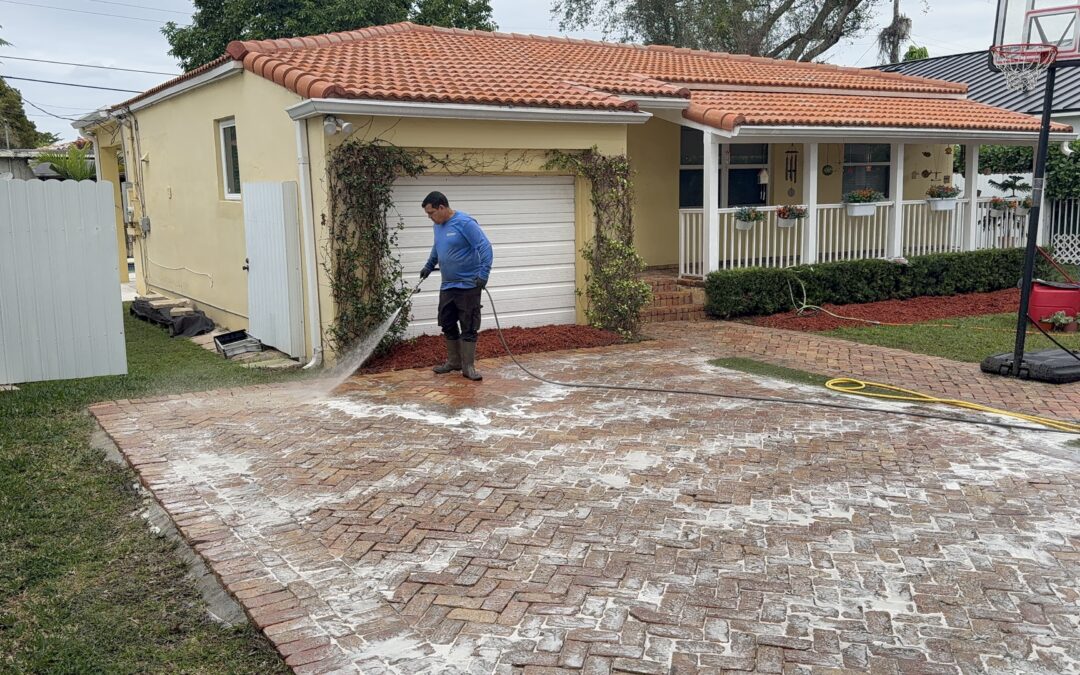
4. Stone Patios and Driveways
Stone patios and driveways are among the most rewarding areas to clean with a pressure washer.
- Start with a surface cleaning attachment to remove uniform grime.
- Use a 25° nozzle to clean edges, joints, and corners.
- Rinse from top to bottom for consistent results.
If your driveway or patio has oil stains, apply a degreasing solution before washing. Regular driveway cleaning helps prevent slick, slippery surfaces.

Additional Areas to Clean
Here are other outdoor surfaces perfect for beginners to practice their pressure washing techniques:
- Fences: Use low pressure to avoid splintering wood.
- Outdoor furniture: Rinse gently to remove pollen, dust, and mold.
- Garage floors: Use a degreaser for oil spots before cleaning.
- Garden paths: Great for removing moss buildup.
Pressure Washing Tips for Beginners
- Start With Low Pressure: Always test your washer on a small area first.
- Use the Correct Nozzle: The wrong nozzle can cause etching or damage to surfaces.
- Keep a Safe Distance: Maintain 10–15 inches from the surface when cleaning.
- Use Smooth, Overlapping Strokes: This ensures consistent coverage and avoids streaks.
- Work from Top to Bottom: Prevents dirty water from streaking onto already cleaned areas.
- Avoid Electrical Fixtures: Keep water away from outlets, light fixtures, and power sources.
- Use Detergent When Needed: Some dirt requires cleaning agents for best results — especially on stone patios or composite decking.
👉Get Your Free No Obligation Quote Now!
Putting Away Your Pressure Washer
Proper maintenance ensures your electric pressure washer lasts for years.
Follow these steps:
- Turn off the machine and unplug it.
- Spray the wand to release remaining water pressure.
- Disconnect all hoses and surface cleaning attachments.
- Coil cords neatly and store indoors to prevent damage from Miami FL humidity.
Bonus Tip: Drain your garden hose after use — leftover water can expand and damage fittings under heat exposure.
Safety First: Important Reminders
- Wear closed-toe shoes, gloves, and safety goggles.
- Never aim the pressure washer at people or pets.
- Avoid using ladders on slippery, wet surfaces.
- Ensure all electrical connections remain dry during operation.
Practicing safe cleaning practices prevents injuries and protects your property while you learn.
Final Thoughts: Pressure Washing Made Easy
Pressure washing for beginners doesn’t have to be intimidating. With the right electric pressure washer, proper setup, and an understanding of nozzle options and cleaning techniques, you can easily transform your home’s outdoor areas.
From composite decking and painted railings to stone patios and driveway cleaning, learning the basics helps you achieve a spotless, refreshed look for your property.
If you’d rather leave the work to the professionals, Miami Softwash & Pressure Cleaning provides expert pressure washing in Miami FL, combining safe methods with powerful results that restore your surfaces beautifully.
Request a Fast & Free Estimate Online or Call Us Now!
Ready to transform your property with professional pressure cleaning services? Getting started is simple and hassle-free!
Request your fast and free estimate online at www.bookmiamisoftwash.com or call us now at (786) 550-4483. Our friendly team is standing by to provide you with expert advice and unbeatable service. Don’t wait—restore your property’s beauty today!
Contact us today:
Phone: (786) 550-4483
Email: info@bookmiamisoftwash.com
👉Get Your Free No Obligation Quote Now!
© 2026 Miami Softwash & Pressure Cleaning – Consistently Delivering Excellence.

0 Comments